Low Battery: A Clever Embroidery Design for Modern Crafters
As an experienced embroidery designer and product reviewer, I’m always on the lookout for designs that strike a balance between creativity and practicality. The Low Battery embroidery design immediately caught my eye—not just for its quirky concept, but for its potential to resonate with a broad audience. In this review, I’ll walk through my evaluation of the design from a real-world use perspective, including how it stitches out, where it works best, and what to watch for when incorporating it into your next project.
First Impressions: A Playful Yet Functional Design
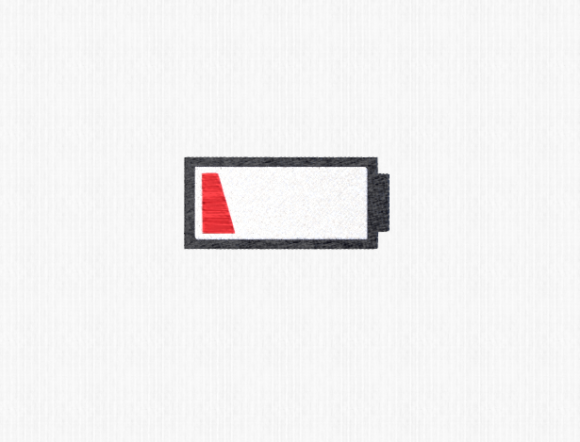
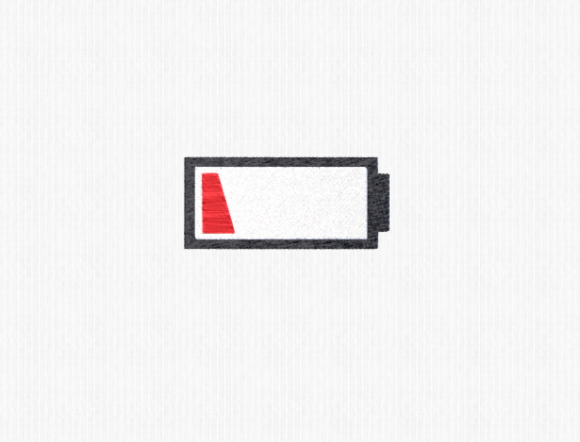
At first glance, Low Battery feels like a modern, tongue-in-cheek nod to our always-connected lifestyles. The design mimics a low battery icon you’d see on a phone or laptop, which gives it a digital-age charm. It’s simple yet recognizable, with clean lines and a minimalistic layout that makes it versatile for different applications.
The visual personality is lighthearted but not childish—perfect for adding a subtle, contemporary flair to everyday items. It’s the kind of design that can work across age groups and genders, especially in settings where humor or tech references are appreciated.
Real-Life Use: From Tote Bags to Sweatshirts
I recently tested the Low Battery design on a custom embroidered tote bag intended for a small boutique. The goal was to create a line of “office life” themed accessories, and this design fit right in. The stitch-out was clean and precise, with no noticeable distortion or thread bunching, even on a mid-weight cotton canvas.
- Custom apparel like sweatshirts and t-shirts benefit from the design’s compact size and clear outline.
- On tote bags, it works well as a corner accent or centered above a name or tagline.
- For holiday gifts, it makes a great addition to mugs, tea towels, or even gift pouches.
- It’s also a fun option for personalized gifts—think gym bags, laptop sleeves, or travel mugs with embroidered labels.
In a different test, I stitched it onto a baby onesie. Surprisingly, it read well even at a smaller scale, making it a good fit for small shop merchandise and craft fair products targeting young parents.
Commercial Appeal: Etsy and Beyond
If you’re an Etsy seller or run a digital product shop, Low Battery has strong potential. It’s the kind of design that customers might look for when creating themed items—especially around back-to-school time or tech-themed events. When used in printable mockups or digital product previews, it gives a clear idea of how the final item will look, helping buyers visualize the product before purchase.
For small business merchandise, this design could be repurposed as a branding element—think branded tote bags for tech startups or promotional items for digital marketing firms.
Where to Use It Carefully
Like any machine embroidery design, Low Battery has its limitations. Here are a few things I noticed during testing:
- On textured fabrics like towels or thick fleece, the finer lines can get lost in the weave.
- When stitched on stretchy fabric, especially if not stabilized properly, the shape can warp slightly.
- On dark fabric, the lighter thread colors may not show up as clearly—so consider adjusting your thread colors or adding a background fill.
- For curved surfaces like caps or mugs, the design may need slight scaling or placement adjustments to maintain visual balance.
I also recommend testing it on thin fabric first to ensure stitch density doesn’t cause puckering. It’s a good idea to use a lightweight stabilizer to prevent any distortion, especially if you’re working with delicate materials.
Design Performance and Visual Impact
What stands out most about Low Battery is how well it translates across different embroidery projects. It maintains its clarity and charm whether stitched on a pillow cover, kitchen towel, or embroidered patch. The design doesn’t overwhelm the fabric—it complements it.
From a brand consistency standpoint, this design works well in product lines that lean into modern, minimalist, or humorous themes. It adds a touch of personality without being too loud or distracting. For giftability, it scores high—especially when used in personalized products with names or dates added nearby.
As a designer, I also appreciate how it holds up in black and white mockups—a useful test for ensuring versatility across fabric colors. It reads well in both light and dark backgrounds, which is a big plus for those selling digital embroidery files.
Designer Notes and Practical Tips
Here are some practical tips I’ve picked up while working with the Low Battery design:
- Test on scrap fabric first, especially if you’re using a new material or stabilizer type.
- Review stitch density to avoid puckering on thin or stretchy fabrics.
- Check small details under magnification to ensure clarity, especially if you’re scaling the design down.
- Verify hoop size before stitching to avoid distortion or trimming issues.
- Confirm licensing if you plan to sell finished items or digital products featuring the design.
Also, consider how the design works in both personalized gifts and commercial embroidery settings. It’s versatile enough to be used in both, but always double-check that your embroidery file includes the right permissions for resale or commercial use.
Final Thoughts: A Worthy Addition to Your Design Library
Overall, Low Battery is a smart, well-executed embroidery design that brings a touch of modern flair to a wide range of products. Whether you’re creating custom apparel, holiday embroidery, or small shop products, it offers a fresh visual angle that’s both functional and fun.
Its strength lies in its simplicity and adaptability—two qualities every craft business owner or creative entrepreneur should appreciate. Just be mindful of the fabric and placement, and you’ll find this design adds real value to your finished items and customer offerings.