Multiplication Math Wheels 2 X: A Bright Embroidery Design for Classroom & Craft
As an embroidery designer prepping for a weekend craft fair, I always look for designs that are both eye-catching and versatile. Multiplication Math Wheels 2 X immediately caught my attention with its promise of being a “bright and cheery” educational embroidery design. I had to test it out to see how it would translate into actual products for my booth.
First Impressions: Fun, Educational, and Visually Engaging
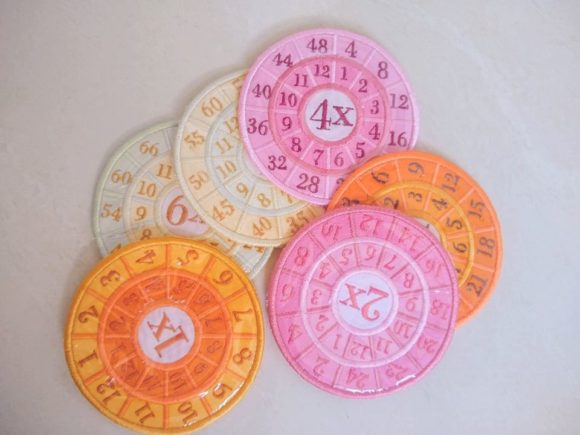
From the title alone, I expected a playful yet educational embroidery design. The description reinforced that idea, mentioning it “looks great embroidered throughout the classroom.” That gave me a sense of its intended audience — teachers, parents, and kids — and its design language: likely colorful, clear, and meant to be seen from a distance.
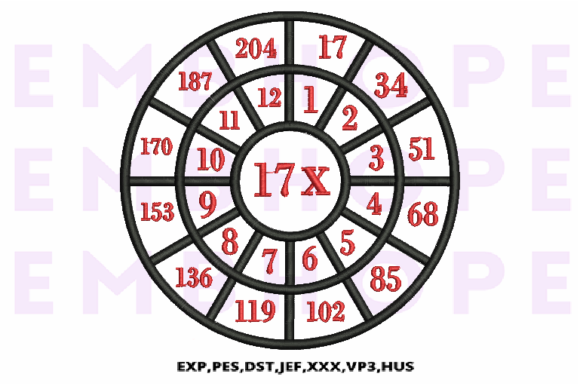
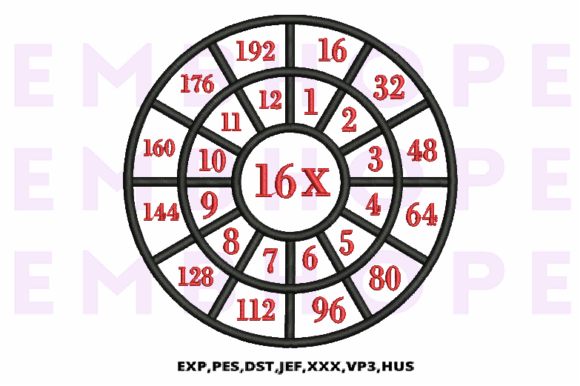
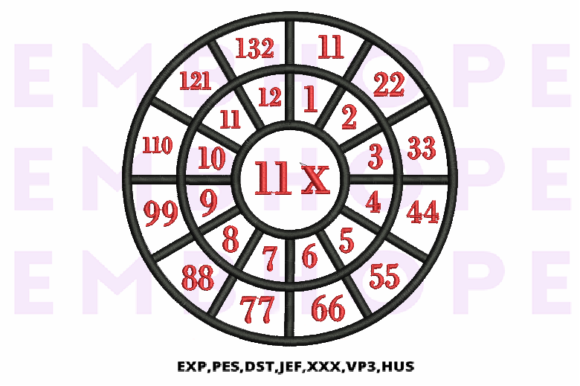
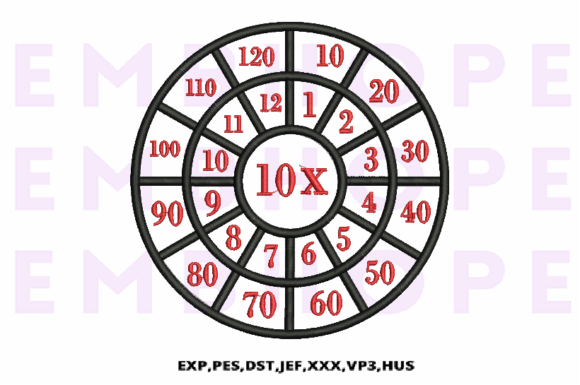
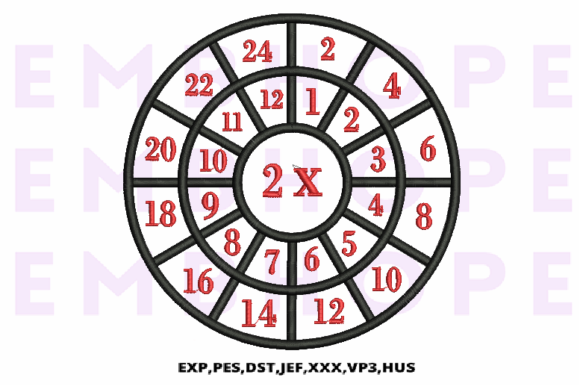
When I opened the file, the design lived up to that expectation. It’s bold and clean, with numbers and multiplication facts arranged in a circular wheel format. The layout is easy to read, and the bright colors pop well on fabric. It’s not overly complex, which is a big plus for both stitching and selling. It leans toward a fun and modern aesthetic, making it perfect for school-themed items and kid-friendly products.
How It Works Across Craft Fair Products
I tested Multiplication Math Wheels 2 X on several items I typically bring to craft fairs: tote bags, aprons, tea towels, embroidered patches, small pouches, pillow covers, and even caps. Here’s how it performed:
- Tote Bags: This design shines as a focal point on tote bags. The size and clarity of the numbers make it easy to spot from a few feet away, drawing attention to the product.
- Aprons: Great for school-themed aprons, especially for kids’ cooking classes or STEM-themed events. The design is large enough to stand out but not overwhelming.
- Tea Towels: Works well centered on a tea towel, especially if you’re marketing it as both decorative and educational. The bright colors contrast nicely with most kitchen linens.
- Patches: As an embroidered patch, it’s effective but best used at full size. Shrinking it down can cause the numbers to blur, so be cautious with scale.
- Caps: Curved surfaces can distort intricate designs, but this one holds up fairly well. Just make sure to adjust the stitch density and stabilizer to avoid puckering.
- Pillow Covers: Perfect for adding a playful, educational flair to a child’s bedroom or classroom decor. It reads clearly even from a distance, which is a big plus for display.
- Fabric Pouches: Works best as a front panel design. It’s not ideal as a small accent due to the detail in the numbers, so stick to medium to large pouches.
Practical Selling & Production Notes
One of the biggest concerns with any machine embroidery design is how well it scales and stitches across different materials. Here’s what I noticed while working with Multiplication Math Wheels 2 X:
- Visibility: At a glance, it’s easy to recognize as a math-themed design. This is a major plus for booth traffic — customers can quickly understand what the product is for.
- Size Range: Works best as a medium to large focal design. It loses clarity when reduced below 3 inches, especially in the number font.
- Photography: Photographs well for Etsy listings and printable mockups. The color contrast and clean lines help it stand out in product photos.
- Batch Production: Due to its consistent stitch pattern and moderate stitch density, it’s a good candidate for batch production. Just make sure your hoop size and stabilizer match the design’s requirements.
Where to Use It — and Where to Be Cautious
This design works beautifully on smooth cotton and linen blends. However, I noticed some issues when stitching on textured fabrics like thick towels or fuzzy felt. The tiny numbers can get lost in the texture, making it less readable.
Also, be cautious when using Multiplication Math Wheels 2 X on dark fabric. Some of the lighter thread colors may not stand out as well as expected. Always test with a few different thread combinations before production.
One thing to keep in mind: the design has a few dense stitch areas, especially around the center of the wheel. This can cause puckering on lighter fabrics if not stabilized properly. I recommend using a lightweight cutaway stabilizer for best results.
Impact on Your Booth and Brand
For a craft fair or handmade market, visual appeal and product variety are key. Multiplication Math Wheels 2 X adds a unique educational twist to your booth lineup, especially if you sell school-themed or kid-friendly items.
It enhances the handmade quality of your products without looking too mass-produced. And because it’s clear and recognizable, it supports brand consistency if you’re building a line of educational or classroom-inspired items.
From a display standpoint, this design helps create a cohesive look across tote bags, aprons, and pillow covers. It’s a great conversation starter with parents and teachers looking for both fun and functional handmade items.
Designer Tips Before You Stitch
Before adding this design to your small shop product lineup, here are a few final tips:
- Test on scrap fabric: Especially if you’re using textured or dark-colored materials.
- Check thread contrast: Lighter thread colors may not show up well on dark fabric.
- Review spacing: Make sure numbers don’t run into each other when resized.
- Confirm hoop size: Know your machine’s limitations before stitching.
- Inspect stitch density: Adjust if needed to avoid puckering on delicate fabrics.
- Use the right stabilizer: Cutaway is best for stability; tear-away works for smoother fabrics.
- Create a real mockup: Always stitch one full product before mass production.
- Compare fabric colors: Test multiple background options to see which looks best.
- Check licensing: Confirm the design is cleared for commercial embroidery before selling finished items.
Overall, Multiplication Math Wheels 2 X is a solid addition to your digital embroidery file collection. It brings educational charm to your craft fair products and has real selling potential for school-themed handmade items. With a bit of planning and testing, it can become a staple in your booth lineup.