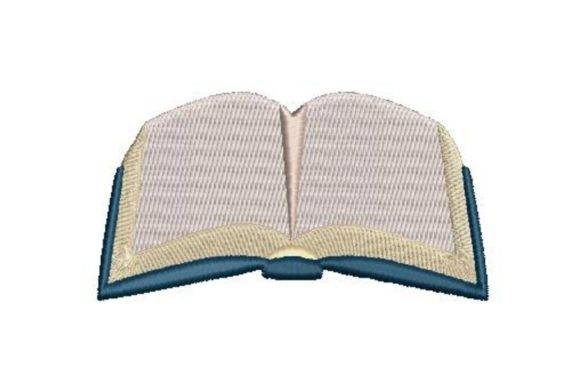
Open Book with Blank Pages: A Designer’s Real-World Review
First Impressions: Simple, Timeless, and Full of Possibility
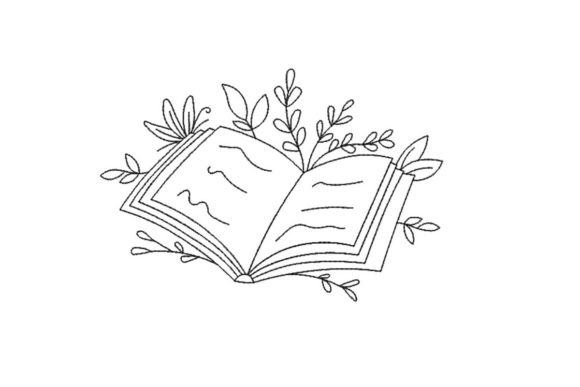
When I first saw the Open Book with Blank Pages embroidery design, it struck me as a quiet but powerful visual. It’s not flashy, but it carries a sense of calm, knowledge, and creativity. The open layout, clean lines, and minimal detailing make it feel approachable yet professional. It doesn’t scream for attention—it invites the viewer in, like a well-loved novel waiting to be read.
From a design standpoint, this is a versatile asset. It’s got that “classic school vibe” without being too literal or juvenile. The blank pages suggest customization, which immediately made me think of personalized gifts, teacher appreciation items, or even boutique-style tote bags with a quote stitched below.
Real-World Use: From Tote Bags to Baby Bibs
I recently worked on a custom tote bag project for a local bookstore, and I considered using Open Book with Blank Pages as the central design. The idea was to pair it with a short literary quote underneath. The open space between the pages offered a natural spot for text, and the overall composition felt balanced and elegant.
I also tested the design on a baby bib, thinking it could work for a “Little Scholar” themed gift set. The simplicity of the design translated well to small items, and the stitch count seemed moderate enough to handle on basic machines. It didn’t distort the fabric, and the blank pages gave a soft, open feel that worked for a gender-neutral design.
Performance Across Materials and Garments
- Cotton and Canvas: Performed beautifully—stitch definition was sharp, and the open pages didn’t pull or pucker.
- Stretchy Knits: Required a bit more stabilizer, especially around the corners of the pages, but still held up well.
- Dark Fabrics: Thread contrast became key. I found that using a light gray or ecru thread for the inner page areas helped maintain the open, readable look.
- Curved Surfaces (like caps): Definitely a challenge. The detail in the corners of the book got slightly compressed, so I’d suggest simplifying or resizing for curved applications.
Overall, the Open Book with Blank Pages machine embroidery design holds up across a range of projects—from tote bags to sweatshirts to nursery decor. It’s especially effective when you want to imply literacy, learning, or personal reflection without being overtly educational.
Where to Use It Carefully
While this design is flexible, there are a few scenarios where you’ll want to test carefully before stitching:
- Small hoop sizes: The open pages need space to breathe. If your hoop is tight, consider scaling down or simplifying the file.
- Textured fabrics: Heavy denim or quilted materials may obscure the fine lines between pages. A test stitch is a must.
- Frequent-wash items: If you’re making baby clothes or kitchen towels, double-check the stitch density to ensure durability.
- Layered garments: Thick hoodies or lined totes may cause the design to puff or distort slightly.
Visual Appeal and Customer Perception
One of the biggest pluses of the Open Book with Blank Pages is how it affects customer perception. It feels handmade without looking amateur. It gives off a curated, thoughtful vibe that Etsy sellers and boutique shops can really lean into.
For example, I stitched it onto a linen pillow cover with a minimalist quote below. The result was elegant, modern, and just personal enough to stand out in a home decor shop. The blank pages acted like a canvas, inviting buyers to imagine their own message or meaning.
This kind of emotional resonance is gold for craft businesses. It builds trust and engagement, especially when paired with a thoughtful product description or packaging.
Design Notes for Embroidery Professionals
If you’re planning to use this design in your commercial or personal projects, here are a few practical tips from my own experience:
- Test on scrap fabric first—especially if you’re using textured or stretchy material.
- Check thread color contrast to make sure the blank pages remain visually distinct.
- Review stitch density if the item will be washed often.
- Confirm hoop size compatibility before starting a large run.
- Inspect small details like the corners of the pages and any inner outlines.
- Test in black and white mockups to see how it translates to neutral branding or packaging.
- Compare light and dark fabric backgrounds to find the best visual impact.
- Use proper stabilizer—especially for stretchy or thin materials.
- Verify licensing before selling finished items or including the design in digital product bundles.
Final Thoughts: A Thoughtful Addition to Your Embroidery Library
The Open Book with Blank Pages isn’t the most intricate embroidery file you’ll find, but it’s one of the more versatile. It bridges the gap between personal and professional, between school-themed and inspirational. Whether you’re making a teacher appreciation gift, a boutique tote, or a custom baby gift, this design gives you room to build a story around it.
As a designer, I appreciate that. It’s not just a pretty shape—it’s a conversation starter. And in the world of handmade and custom embroidery, that’s what really sells.