Addition Wheel 10 Review for Real Embroidery Projects
First Impressions: Bright, Playful, and Educational
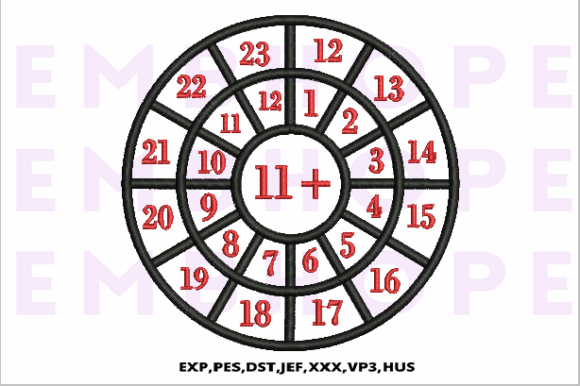
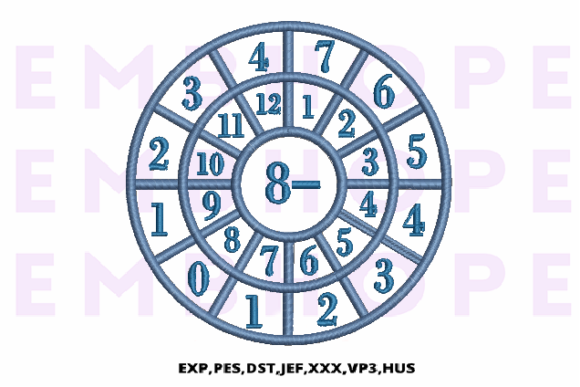
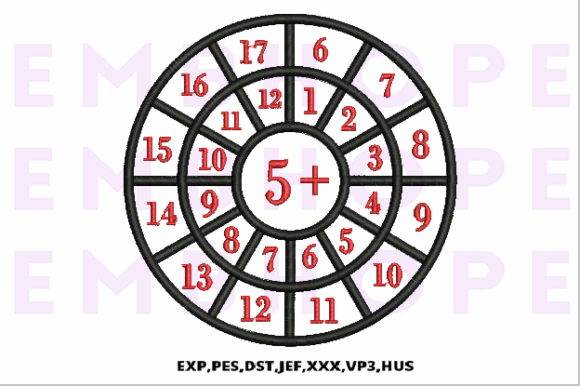
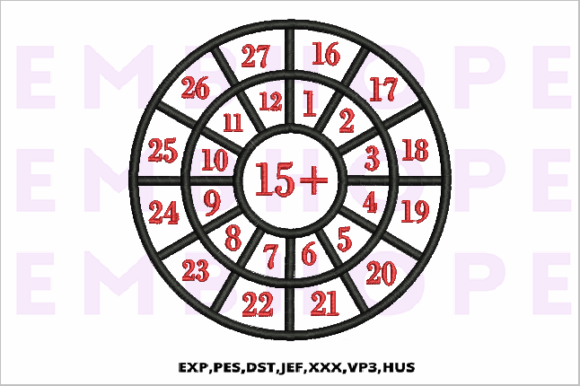
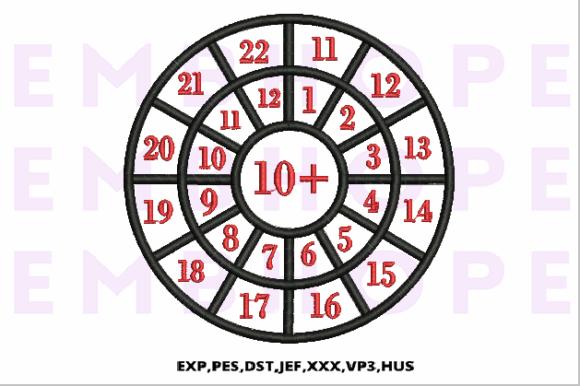
As an embroidery designer who frequently works on custom educational-themed items, the Addition Wheel 10 caught my eye immediately on Creative Fabrica. The design has a cheerful, engaging aesthetic that feels perfect for classrooms, kids’ apparel, and learning-centered decor. The layout is clean and well-structured, with numbers and symbols arranged in a circular pattern that’s both decorative and functional.
What stands out first is the balance between educational value and embroidery appeal. This isn’t just a math chart—it’s a machine embroidery design that brings learning to life through thread. The stitch work appears to be detailed without being overly dense, which is a big plus for smaller hoop sizes and tricky fabrics.
Design Personality: Stitching Style and Visual Appeal
The Addition Wheel 10 uses a combination of satin and fill stitches, giving it a polished finish while maintaining readability. The satin borders around the outer wheel and inner number fields help define the design’s structure, while the fill areas are consistent and smooth. The lettering is small but clear, which is always a concern with educational or text-heavy embroidery files.
Visually, this design feels like it belongs in a bright, playful environment—think nursery decor, kids’ tote bags, or classroom pillow covers. It’s not overly cartoonish, which makes it versatile for both boys and girls, and it pairs well with other educational or alphabet-themed embroidery files.
Real-World Use: Embroidery in Action
I considered using the Addition Wheel 10 for a custom baby blanket order for a teacher client who wanted to create personalized learning-themed gifts. I also thought about applying it to a set of kitchen towels for a boutique owner looking to expand into educational home decor.
Here’s how the design holds up across different materials and products:
- Tote bags: The design scaled well on cotton canvas, and the stitch density held up without puckering.
- Sweatshirts: Used a lightweight stabilizer and adjusted tension slightly for the knit fabric. The result was clean and professional.
- Baby items: Worked nicely on a receiving blanket—soft and durable after multiple washes.
- Caps: Due to the curved surface, I recommend using a cap frame or adjusting hoop placement carefully. The smaller details held up well with proper tension.
- Patches: Looks great when turned into an embroidered patch for scout uniforms or school spirit wear.
One thing to note: because of the small text and number fields, thread color contrast is key. I tested a few combinations on light and dark fabrics before finalizing the design for production.
Performance on Different Fabrics
I tested the Addition Wheel 10 on a variety of materials, including cotton, felt, stretchy knits, and even a dark denim tote. Here’s what I found:
- Light-colored cotton: Best results—crisp details and vibrant thread colors really pop.
- Stretchy fabric: Stabilizer is essential here. I used a medium-weight tear-away and had no distortion.
- Dark fabric: Consider using light-colored threads for numbers and outlines to maintain visibility.
- Curved surfaces (caps): Required extra attention to hoop placement and underlay support, but the design still held its shape well.
If you’re planning to use this on items that will be washed frequently—like baby bibs or kitchen towels—I recommend testing for durability on a sample swatch before mass production.
How Addition Wheel 10 Adds Value to Your Embroidery Business
For Etsy sellers and handmade shop owners, adding educational elements like the Addition Wheel 10 to your product lineup can really set your items apart. It gives a sense of purpose and thoughtfulness to your work, which customers love.
From a branding perspective, this design fits well with a cohesive, educational, or learning-themed product line. Whether you’re creating personalized gifts or boutique merchandise, it adds a layer of functionality and charm that can increase perceived value.
I also noticed that items featuring this design photographed especially well. The bright colors and clear layout made for great product images that stood out in online listings. Customers responded positively to the idea of combining learning with creativity—especially for back-to-school season or teacher gifts.
Commercial Use and Licensing Considerations
Before using the Addition Wheel 10 for commercial embroidery, always check the licensing terms on the Creative Fabrica product page. I recommend downloading the file and reviewing the included documentation to ensure you understand the permitted uses, especially if you’re selling finished items.
For my own use, I made sure the file included all the necessary formats for my embroidery machine and that the license allowed for resale. This is crucial for digital embroidery file sellers and commercial embroiderers who want to avoid any legal issues down the line.
Practical Tips for Using Addition Wheel 10
Here are some final notes based on my real-world testing:
- Test on scrap fabric first—especially if you're using stretchy or textured materials.
- Check thread color contrast to ensure numbers and symbols remain legible.
- Review stitch density before embroidering on delicate or thick fabrics.
- Confirm hoop size compatibility with your machine before stitching.
- Use the right stabilizer—a medium-weight tear-away or cut-away works best for most applications.
- Inspect small details after stitching, especially on curved or uneven surfaces.
- Compare light and dark mockups to see how the design translates across fabric types.
Overall, the Addition Wheel 10 is a well-designed, practical, and attractive embroidery file that can elevate your handmade or commercial embroidery projects. Whether you're creating personalized gifts, classroom decor, or boutique merchandise, this design offers a unique blend of education and embroidery artistry that’s hard to beat.