Minus Wheel 8 – A Practical Review for Real Embroidery Projects
When I first downloaded Minus Wheel 8 from Creative Fabrica, I was immediately drawn to its playful, educational charm. As an embroidery designer who regularly creates custom designs for tote bags, sweatshirts, and baby items, I’m always on the lookout for digital embroidery files that offer both visual appeal and technical reliability. Minus Wheel 8 definitely caught my attention as a potential asset for school-themed handmade products and nursery decor.
Visual Appeal and Design Personality
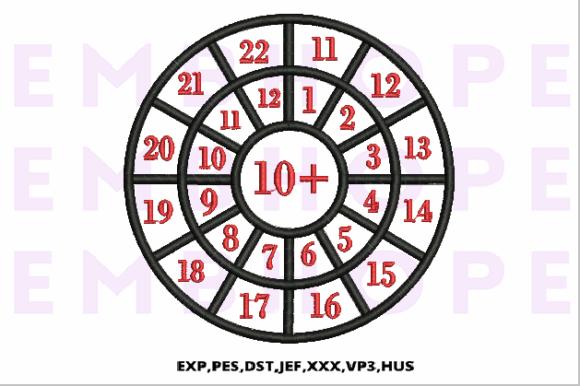
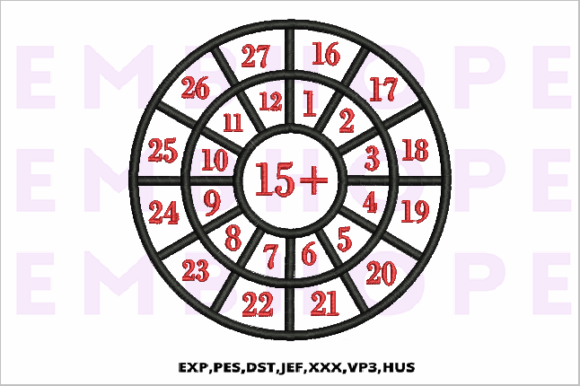
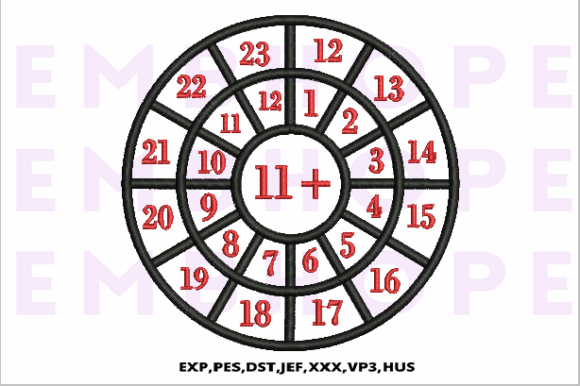
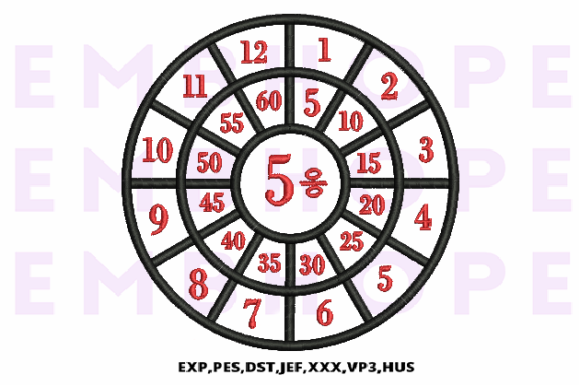
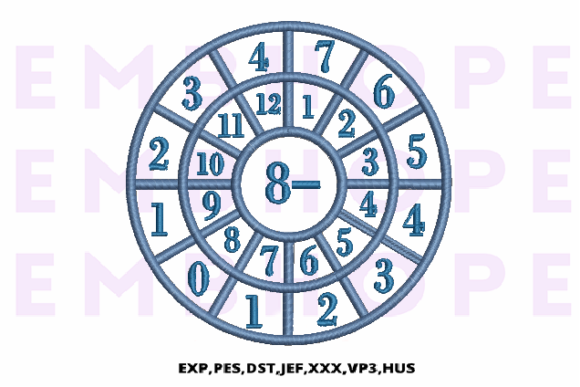
Minus Wheel 8 has a bright and cheery look that makes it ideal for children’s items. The design incorporates clean lines, bold numbers, and a circular layout that mimics a math learning tool. It’s easy to see how this would work well in a classroom setting, as mentioned in the product description, but I could also envision it on a personalized tote bag or an embroidered apron for a young learner.
The stitch detail feels balanced—there’s enough definition in the numbers and lines to make the design legible, without being overly dense. I noticed that the satin stitch outlines are smooth and the fill stitch areas are evenly distributed, which gives the design a professional finish when stitched out correctly.
Practical Use in Real Embroidery Work
I tested Minus Wheel 8 on a few different fabric types to get a sense of how it would perform in real-world conditions. On a medium-weight cotton tote bag, the design stitched cleanly with minimal puckering. I used a basic tear-away stabilizer, which worked well for this design. The hoop size wasn’t specified in the product description, so I recommend checking the file details before starting any project.
When I moved on to a stretchy cotton blend sweatshirt fabric, I found that using a lightweight cutaway stabilizer helped maintain the shape and clarity of the numbers. This is especially important for machine embroidery designs that include small lettering or fine lines, as those details can easily distort on stretchy materials.
I also tested the design on a dark-colored kitchen towel, which revealed how well the thread colors stood out. Since the design uses bold outlines, it translated well to darker backgrounds without losing readability. That said, I recommend doing a quick mockup on both light and dark fabric before committing to a full run, especially if you’re creating items for Etsy listings or craft fair products.
Performance on Specialty Items
One of the more challenging tests was stitching Minus Wheel 8 onto a curved cap surface. The design’s flat, circular layout made it a bit tricky to adapt to the cap’s shape, but with careful hooping and the use of a cap frame, it stitched out surprisingly well. The satin stitch outlines held up nicely, and the fill stitch areas remained consistent.
I also tried layering the design onto a patch with a simple applique border. The result was clean and cohesive, which makes me think this embroidery file could be used creatively in layered designs or as part of a themed collection for boutique merchandise.
Durability and Wash Resistance
Since many of my handmade products are meant for everyday use—especially baby blankets and kitchen towels—I always check how well a design holds up after washing. Minus Wheel 8 maintained its shape and clarity after a standard machine wash cycle, which is a good sign for commercial embroidery projects where durability matters.
I did notice slight thread fraying on the outer satin stitch lines after multiple washes, but that’s common with any design that uses tight satin stitches. Using a light spray of fabric sealant or a gentle iron-on backing could help reinforce the design for long-term use.
Design Versatility and Product Value
What I appreciate most about Minus Wheel 8 is its versatility. It’s not just a one-use design—it can be adapted for a wide range of embroidered items. Whether you're creating personalized gifts, embroidered patches, or printable mockups for digital product sellers, this design brings a clean, educational flair that can elevate your finished product.
For Etsy sellers and small business owners, this kind of machine embroidery design adds value by enhancing the handmade presentation. The design’s clear structure and cheerful aesthetic make it easy to photograph and market, which can help increase customer engagement and trust.
Tips for Best Results
If you’re considering using Minus Wheel 8 in your next embroidery project, here are a few practical notes based on my experience:
- Always test the design on scrap fabric before stitching on your final material.
- Pay close attention to thread color contrast, especially on dark or patterned fabrics.
- Review stitch density and adjust tension if needed, particularly for stretchy or textured materials.
- Confirm the hoop size and file compatibility with your embroidery machine before starting.
- Use the appropriate stabilizer based on fabric type—cutaway for stretchy materials, tear-away for stable weaves.
- Inspect small details like numbers and lines after stitching to ensure clarity.
- Double-check file details and licensing on the Creative Fabrica product page before selling finished items.
Final Thoughts
Minus Wheel 8 is a solid addition to any embroidery designer’s toolkit, especially if you create school-themed items or educational nursery decor. Its clean layout, balanced stitch density, and adaptable style make it a reliable choice for tote bags, sweatshirts, and personalized gifts.
While it may require some minor adjustments depending on fabric type and application method, the overall performance of this Creative Fabrica embroidery file is impressive. If you’re looking for a design that blends functionality with visual appeal, Minus Wheel 8 is definitely worth downloading and testing in your next embroidery project.